
滚球新闻
你的位置:滚球app2026世界杯中国官网下载 > 滚球新闻 > 滚球app网页2026最新版 阻挠马斯克割韭菜!好意思商榷员致信SEC:必须叫停SpaceX上市!(附12页信函)
开始:财经会议圈
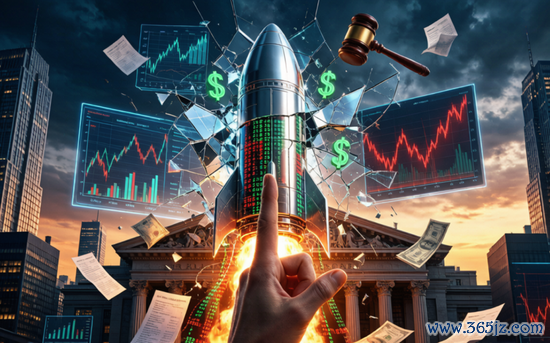
拆解史上最大IPO背后的成本收割游戏
华盛顿的“拦路虎”
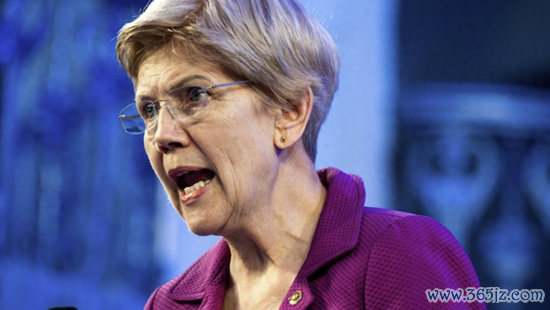
2026年6月11日,就在SpaceX距离负责登陆纳斯达克仅剩不到24小时之际,一封炸药味皆备的12页信函直抵好意思国证券交游委员会(SEC)。
发信东说念主不是别东说念主,恰是以“华尔街死敌”著称的民主党商榷员伊丽莎白·沃伦(Elizabeth Warren)。她在信中措辞热烈地要求SEC:必须推迟SpaceX的IPO上市,这场“史上最大界限IPO”对投资者保护和阛阓竣工性组成了前所未有的挟制。
沃伦在信中写下了一句振聋发聩的警告:
“你们必须推迟该登记声明的奏效期间。SpaceX的IPO创造了一个新问题:它正在支配主要的股市指数,将就数百万投资指数基金的平凡散户在别无选拔的情况下,被迫承担SpaceX的巨大风险。”
这话听起来逆耳,但细看SpaceX的上市瞎想,你会发现沃伦的担忧绝非杞东说念主忧天。
离谱的“一口价”
135好意思元的爱买不买
传统IPO的玩法,人人都懂:投行先给一个价钱区间,比如100-120好意思元,然后凭证阛阓认购情况最终订价,这叫“价钱发现”。
但SpaceX不玩这一套。
它平直甩出135好意思元/股的“一口价”,爱买不买。
这在华尔街历史上极为苦楚。一家公司估值高达1.75万亿-2万亿好意思元,却连最基本的阛阓博弈订价设施都省了,摆明了即是“我说些许即是些许”。
更离谱的是散户分拨比例。
好意思股老例IPO,散户份额常常只消5%-10%,绝大多数份额都会留给耐久持有的机构基石投资者。但SpaceX反治其身,将30%的IPO份额分拨给散户,金额高达225亿好意思元。
外界辽远吹捧这是“让利散户、分享红利”,但内行看门说念:
机构投资者追求耐久闲逸、风险可控,是阛阓的压舱石;
散户受情愫、公论、偶像滤镜驱动,盲目跟风、追涨杀跌,波动率极高。
马斯克领有雄伟的粉丝群体,他们会自愿造势、无脑买入,短期强行推高股价。但后续只消出现任何负面舆情,即便公司基本面毫无变化,股价也会因为散户情愫坍弛而大幅跳水。
参考历史案例:Robinhood曾将35%新股份额分给散户,上市后被散户爆炒至85好意思元,热度褪去后半年暴跌至15好意思元,高位接盘散户全线深套。
SpaceX本次散户占比极高,翌日势必复刻同款走势:短期情愫拉涨,耐久散户买单。
估值泡沫
市销率100倍的离奇乖癖
SpaceX的估值到底有多离谱?咱们来望望硬数据。
2025年,SpaceX全年营收187亿好意思元,估值却突破1.75万亿好意思元,市销率接近100倍。
作念个对比:
AI龙头Anthropic估值近万亿好意思元,市销率仅21倍;
OpenAI市销率也只消34倍;
这两家AI企业的营收增速,远高于SpaceX,估值倍数却远低于它。
对比之下就能发现,所谓的AI泡沫,和SpaceX的估值泡沫比较,根蒂微不足道。
更夸张的是,招股书中宣称公司远期潜在阛阓界限(TAM)高达28.5万亿好意思元。这个数字是什么见地?远超中国全年20万亿级的GDP体量,完全脱离现实交易逻辑,纯熟夸张造势。
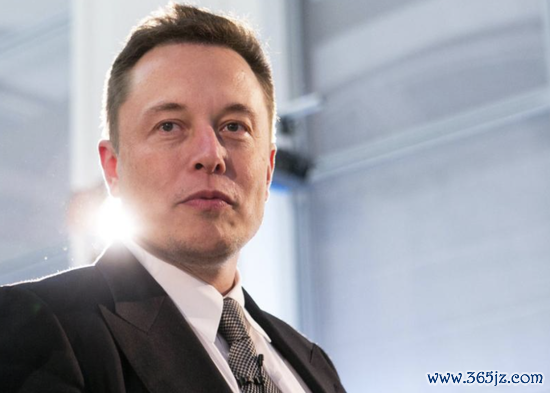
还有马斯克的薪酬解锁条件:授予其10亿股、价值约6000亿好意思元的股权,解锁要求包括:
公司市值突破7.5万亿好意思元;
完成火星外侨中枢布局;
在火星落地100万常住东说念主口。
这在职何感性投资者看来,都是离奇乖癖。但这即是投行的基本功:用专科模子、海量数据、行业术语,把虚无缥缈的故事包装得逻辑自洽、看似可行。
“包子式”包装
用星链包裹xAI的成本游戏
从一线ECM投行分析师的内行视角来看,SpaceX的估值逻辑本体上是一套“层层嵌套打包”模式:
用盈利闲逸、现款流优质的星链业务,包裹功绩惨淡、无法沉静上市的xAI业务,形成“优质资产兜底、劣质资产挂靠”的包子式结构。
来看2025年的真是财务数据:
星链部门:收入114亿好意思元,盈利72亿好意思元(独一优质资产);
火箭辐照部门:收入41亿好意思元,蚀本6.62亿好意思元;
xAI部门:收入13亿好意思元,蚀本130亿好意思元(纯纯的牵累)。
看似三大中枢业务协同发力,实则只消星链是中枢盈利资产,其余业务均为蚀本牵累。
这套打包模式还实现了“废料期骗、税务套利”:xAI终年持续蚀本,单独运营会导致多量税务抵扣额度作废。而通过合座打包上市,扫数蚀本额度均可并入主体财报,正当抵扣利润、贬抑合座税负。
这即是华尔街的真是玩法:所谓的公允估值、专科模子,从来不是测算出来的,而是机构之间反复扯皮、博弈、息争出来的“阛阓协议数”。
纳斯达克的“王法特供”
被迫资金接盘局
为了确保上市成功,这次IPO的瞎想可谓是呕精心血,其中最争议的莫过于纳斯达克特地为SpaceX修改王法。
王法修改内容:将纳入纳斯达克100指数的期间从3个月镌汰至15天,而且是加权纳入(权重不对理拉高3倍)。
这意味着什么?
好意思国有多量被迫指数基金、养老基金、401K退休金账户,会自动买入纳斯达克100身分股。也即是说,只消熬过15天,就不错用老庶民的待业金来给SpaceX接盘了。
据测算,仅被迫基金强制树立的资金就高达100-200亿好意思元。
注意的资金早已提前布局:提前廉价建仓,恭候指数纳入、被迫资金进场后高位套现。重复散户狂热抢购、主动基金布局、中东热钱涌入,上市初期通顺股稀缺,股价势必被暴力拉升,制造极致的获利效应。
这场狂欢的终极脚本,早已注定:
上市拉升后,马斯克、早期激动、中枢职工认知过新股增发、股票质押贷款等花样持续套现(马斯克历来偏好质押套现,特斯拉时期亦是如斯)。里面利益方离场罢了后,股价终将追念基本面,扫数浮亏、泡沫风险,一皆由后进场的机构和散户贯串。
而这些机构资金,本体亦然平凡东说念主的养老钱、搭理钱。
星链业务遇瓶颈
对好意思军“扶弱抑强”
好多东说念主不知说念的是,星链业务如故波及瓶颈,连带火箭辐照业务的翌日订单也存疑。
来看数据:
2025年一季度,星链用户界限1030万,比昨年翻了一倍,但前一年但是翻了三倍的,增速显然下滑;
更可怕的是增长是若何来的?平均每用户收入(ARPU)从2023年的99好意思元/月降到2024年的91好意思元,再降到2025年的80好意思元,到2025年一季度如故暴降至66好意思元。
完全是靠降价换量、打价钱战!
原因不难清楚:如若你住在纽约、东京、上海,根蒂不会用星链。星链即是给偏远地区用的,但偏远地区之是以偏远,即是因为东说念主少。To C端增长见顶了。
那若何办?只可对军方加价。
前段期间好意思军在战场多量使用名为“卢卡斯”的一次性无东说念主机,内置星链末端。前方激战正酣,SpaceX骤然要求将汇注用度翻5倍,从原先的5000好意思元/月平直涨到25000好意思元/月。
意义是:你蓝本买的是“大地套餐”,推行用在航行器上,就得按“航行器套餐”付款。
成果服软的竟然是好意思军!媒体扣问负责东说念主,他只说SpaceX依然是“闲逸可靠的耐久联结伴伴”。
这件事充分说明:SpaceX如故具备对军方的议价能力,但这也暴知道其实体业务增长乏力的莫名现实。
沃伦的三大“地雷”指控
沃伦在致SEC的信中,详确列举了SpaceX在财务和治理上的三大“地雷”:
1. xAI收购案可能存在司帐作秀或估值误导
SpaceX收购马斯克另一家公司xAI的经过中,交游订价是否公允?是否存在通过关联交游转变利益?这些问题都需要SEC彻查。
2. 马斯克个东说念主利益与公司利益存在严重冲突
马斯克同期是SpaceX和xAI的大激动,两家公司之间的交游,本体上是“左手倒右手”。这种利益运输的风险,在IPO招股书中是否被充分表示?
3. 马斯克在公司里面领有怙恶不悛的权力,衰败灵验制衡
目下马斯克手抓SpaceX 82%的投票权,意味着这家近2万亿估值的行业巨头,完全由他一东说念主掌控,莫得任何机构或激动梗概制衡、侵略。
成也首创东说念主,险也首创东说念主。 昔时两年,马斯克格外酣醉AI和天外数据中心赛说念,这意味着翌日很长一段期间,SpaceX将持续插足多数成本用于新业务研发和布局,重资产插足之下,政策伪善、插足失败的风险极高。
成本错愕
为什么急着上市?
好多东说念主会问:SpaceX明明不错不消上市,为什么马斯克这样心焦?
谜底很简便:这不是企业发展需要,而是成本的集体错愕。
原因一:全球风投行业迎来数十年最严峻的退出危机
寰宇经济论坛5月发布的最新数据自满:
现时全球未上市的独角兽企业中,20%已成立超15年,59%已成立超10年;
企业从种子轮到首轮退出的周期,比较2022年拉长了45%。
行业老例王法里,风投基金对LP的高兴退出周期仅为10年。这意味着,超半数独角兽早已超出商定退出期限,多量风投资金耐久被套牢。
原因二:AI行业格外烧钱,融资窗口期有顷
OpenAI昨年蚀本超80亿好意思元,Anthropic昨年蚀本超30亿好意思元,且两家企业翌日数年仍将持续大额烧钱。
业内辽远以为,AI行业泡沫果决存在,仅仅没东说念主能精确预判摧毁期间。马斯克急于落地IPO,即是为了霸占高位窗口期,锁定万亿估值,提前销亡后续阛阓下落风险。
原因三:霸占AI成本红利的末班车
当下是全球阛阓对AI见地溢价最高、资金最狂热的阶段。SpaceX抢先完成IPO,梗概率先吸干华尔街扫数AI+天外赛说念的增量资金。
高端成本博弈向来朴素:先到先得、先上市先收割。
三个阶段:看清洗牌时刻
SpaceX上市必须看准三个阶段:
第一阶段:看上市本日能否不破发
如若通顺盘这样小(仅开释5%股份)、承销团这样强、机构认购这样热还能破发,说明阛阓其实如故虚透了。
第二阶段:看上市后15到30天
能否胜利纳入纳斯达克100指数,把筹码成功交给被迫基金(待业金)。
第三阶段:看半年后大激动解禁
5%的通顺比例意味着95%的股份在IPO时处于锁定状态。半年后(12月初),这些股份将消逝锁定。那些在几十亿、几百亿估值时入场的早期激动,将靠近十几倍、几十倍致使上百倍的暴利退出契机。
那将是若何的一场血雨腥风?
谁是最大的赢家?
这场顶级成本盛宴里,收益圈层格外分化。
着实的赢家只消三类:
持股42%的马斯克本东说念主——上市后金钱将突破万亿级,成为全球首位万亿财主;
算计持股10%-15%的公司中枢职工——早期入局,成本极低;
早期入局的风投契构与激动——终于比及退出时刻。
除此以外,21家承销投行是最大的隐形赢家。
本年投行行业辽远低迷、降薪裁人,而SpaceX这一个超等款式,就能让扫数参与投行团队逾额盈利。后续还能持续解锁二级阛阓增发、可转债、并购交游、巨额交游、股票回购等持续业务,号称投行的“年度飞升款式”,一年顶往年五年收益。
而输家呢?
扫数脱离基本面的高估值狂欢,最终都会追念均值。狂欢终止之后,永恒是后进场的平凡东说念主承担扫数风险。
历史的循环
运河狂热与天外泡沫
终末,让咱们用一个经典历史案例帮人人看懂本体。
19世纪全球掀翻运河狂热,苏伊士运河、巴拿马运河开凿前夜,无数法国中产荒诞募资入局。最终巴拿马运河公司1889年停业,初代投资者尽数血本无归。
但运河最终成功通航,澈底改写了全球贸易口头,造福了后续上百年的全球经济和无数行业。可初代的基建投资者,简直莫得吃到任何期间红利。
如今的SpaceX、追捧它的华尔街成本,何尝不是当年的运河狂热?
我从不否定SpaceX的伟大,也不否定天外经济的星辰大海,但算作平凡投资者,咱们一定要克制对个东说念主勇士主见的选藏、对科幻落拓叙事的战胜。
沃伦的警告,不该被冷落
SpaceX是实体产业的颠覆者,却是成本阛阓的收割者。
它用极致求实粗心了传统航天的暴利与僵化,却用极致成本套路,打造了一场属于顶级圈层的泡沫盛宴。
伊丽莎白·沃伦的警告,不该被冷落。
SEC是否会在政事压力下叫停这场“成本狂欢”?马斯克将如何反击这位“死敌人”的狙击?周五的上市规划是否会突遭变数?
这一切,都将在翌日48小时内揭晓。
但不管成果如何,平凡投资者都应该记着一句话:
扫数脱离基本面的高估值狂欢,最终都会追念均值。狂欢终止之后,永恒是后进场的平凡东说念主承担扫数风险。
这是一封好意思国商榷院银行、住房与城市事务委员会成员伊丽莎白·沃伦(Elizabeth Warren)于2026年6月9日写给好意思国证券交游委员会(SEC)主席保罗·阿特金斯(Paul Atkins)的信函,要求SEC推迟SpaceX的IPO注册声明奏效。
以下是全文翻译:
好意思国商榷院银行、住房与城市事务委员会华盛顿特区 20510-6075
2026年6月9日
尊敬的保罗·阿特金斯主席: 好意思国证券交游委员会 东北F街100号 华盛顿特区 20549
阿特金斯主席:
我怀着格外暄和的热诚,就天外探索技能公司(Space Exploration Technologies Corp.,简称“SpaceX”)行将进行的初次公开募股(IPO)致函您。
据报说念,由埃隆·马斯克(Elon Musk)领有的航空航天和东说念主工智能公司SpaceX,规划在本月晚些时候以高达2万亿好意思元的估值向投资者召募高达750亿好意思元——这将使其成为“史上最大界限的股市首秀”。然而,这次IPO似乎对平凡投资者特地退休储蓄组成紧要风险,同期为SpaceX里面东说念主士(包括特朗普政府高档官员)带来巨大利益。
与SpaceX公开募股连络的风险源于该公司向证券交游委员会(“SEC”或“委员会”)提交的备案文献特地他公开报说念中揭示的一系列问题:起初,SpaceX瞻望将以约100倍2025年营收的价钱刊行股票——这一估值倍数简直史无前例,需要投资者对AI和天外两个领域的诸多假定抱以极大信心;其次,非传统的公司治理结构将使SpaceX首席实践官埃隆·马斯克领有前所未有的权力,而投资者获取的权柄将远低于传统公开股票购买者常常享有的权柄;第三,主要股指提供商正在改写王法,为SpaceX快速进入其指数——以及驱动数百万好意思国东说念主退休储蓄的投资基金——铺平说念路。
最终的成果可能是横祸性的:如若SpaceX的估值崩溃,退休东说念主员和家庭的投资者账户将际遇损失,且对任何公司不当行动简直莫得追索权,而地球上最豪阔的东说念主则因衰败监管而变得愈加豪阔。SEC的中枢责任是保护投资者,转换平允、有序和高效的阛阓。鉴于史上最大界限IPO对投资者保护和阛阓诚信组成的前所未有的挟制,您必须推迟任何加快注册声明奏效的行动。
在允许公司向公众出售其股票之前,委员会必须磋议“人人利益和投资者保护”。在此经过中,委员会不错审查公司的初步招股说明书,以“证据其是否合适适用的司帐圭臬和联邦证券法律律例的表示要求”。仅SpaceX IPO的巨大界限,在平淡情况下就足以评释SEC进行仔细审查和关注投资者需求的合感性。但这些并非平淡情况:诸多额外因素加重了担忧,并要求SEC摄取行动以履行其投资者保护和阛阓诚信职责,即推迟注册声明的奏效。
SpaceX的估值与司帐
SpaceX股票的价值——不管是目下照旧可预思的翌日——似乎确立在一系列独有的投契性事件之上。据《金融时报》报说念,SpaceX目下的财务景况“对于计议公司价值毫毋庸处”,部分原因是评估尚不存在的举止的固有挑战,但这些举止可能成为一家责任直快(“坚定项之光延长到星辰”)的公司增长的一部分。据晨星(Morningstar)的一份讲明,SpaceX的价值可能不到其1.75万亿好意思元估值的一半。
事实上,“以《金融时报》此前报说念的1.75万亿好意思元估值计议,SpaceX将成为好意思国股市第七大公司。然而,按每年190亿好意思元的营收排行,它仅位列第200位,与运道符麦片制造商通用磨坊(General Mills)相配。”阛阓“从未有过对一只如斯投契却又如斯雄伟的股票进行订价的前例”,“最大的问题是,高达1.8万亿好意思元的估值能否在公开阛阓中持续”。部分问题在于准确评估SpaceX的直快缱绻(包括天外旅行和星际居住)是不行能的。但这亦然该公司持续蚀本和未能实现昔时缱绻的家具。因此,阛阓分析师对其缱绻估值背后的数学逻辑提议了质疑,称之为“无理的”、“烟幕弹式的司帐”和“着实脱离现实的”。如若该估值无法持续,选拔以高估值买入的投资者——或因投资于指数基金而被迫买入的投资者,而这些基金自身基于已修改王法以纳入SpaceX的指数——将为此付出代价。
此外,IPO的估值部分由SpaceX与xAI的2026年归并决定。由于埃隆·马斯克身处交游两边,“他亲身与我方谈判交游,我方设定相对估值,我方签署归并协议,我方完成交游,然后才奉告董事会和激动”。这让马斯克有契机将xAI的估值举高到特地其资产价值的水平——换句话说,片面决定我方交游的价值——并将其纳入行将进行的IPO。SEC应评估SpaceX与xAI之间(以及埃隆·马斯克胁制的其他公司组成的竣工汇注)的交游和联系是否因不准确或误导性的司帐或估值而对投资者组成风险。鉴于宽敞主动和被迫投资者将走漏于SpaceX的风险之下,衰败基本面赞助的估值可能挟制咱们成本阛阓的竣工性和闲逸性。
SpaceX-xAI归并是马斯克先生胁制的不同交易实体之间一系列共同胁制交游中的一例——激励了对于SpaceX翌日规划与其胁制的公司进行整合的任何疑问。举例,正如交易媒体推测的那样,如若特斯拉(Tesla)和SpaceX归并,可能立即触发马斯克先生1万亿好意思元的特斯拉薪酬有辩论,因为胁制权变更条件将取消此前解锁股票所需的功绩条件。将这些新的特斯拉股票逶迤为新的SpaceX股票可能对SpaceX激动产生紧要影响。如若照实存在将特斯拉和SpaceX归并的规划,此类规划应向潜在投资者表示,因为它们应被视为对公司业务政策和公开募股后续价值具有紧要紧要性的事项。鉴于SpaceX的S-1备案文献未说起此类归并对SpaceX估值的影响——尽管它承认与马斯克先生其他企业的业务交游可能发生——SEC应在加快SpaceX注册声明奏效之前,对马斯克先生对于其宽敞苍劲企业扫数权结构的翌日意图进行澈底访问。
IPO后的公司治理
IPO还激励担忧,因为SpaceX的IPO后公司治理结构侵蚀了基本的激动权柄,并将生命关天的公司权力授予马斯克先生。公开交游公经理当付其激动负责。SpaceX的IPO将颠覆这一模式,激动提供数十亿好意思元的新成本,却莫得任何对马斯克先生或公司教学层的问责设施,因为公司“结合了超等投票权股票、强制仲裁、更严格的激动提案王法以及德克萨斯州公司法,将胁制权赋予SpaceX首席实践官埃隆·马斯克和其他里面东说念主士。SpaceX还将胁制投资者挑战治理层、在法庭告状以及强制召开代理权争夺的能力”。
正如起初的公司法学者所言,“即使是马斯克的选藏者,也应该对SpaceX的公司治理感到不安”。
SpaceX的初步招股说明书标明,公司将督察双重股权结构,马斯克先生持有的每一股股票的投票权是向公众发售的每一股股票的10倍。这种不对称性将褫夺激动对紧要公司决策(如收购、剥离或重组)的任何权力。正如公司招股说明书所承认的,“马斯克先生将梗概胁制需要激动批准的事项的成果”。此外,拟议的公司治理结构实质上褫夺了董事会的治理公司权力,使其无法革职首席实践官:“马斯克只可由B类激动多数投票撤职董事长或首席实践官——而他个东说念主胁制该股票类别93.6%的股份——推行上保证了他的职位。”正如《金融时报》社论版所言,“传统的治理制衡简直完全缺失……[马斯克]将对投票权和董事会领有简直不行挑战的胁制权”。
2026FIFA世界杯中国比分网问题愈加复杂的是,“在其他非典型安排中,SpaceX不规划让其董事会多数成员为沉静董事”,包括“不使用沉静董事委员会来决定高管薪酬,这是大多数公司的作念法”。马斯克的地位很可能因其在董事会中苍劲一又友的存在而得到得当,包括安东尼奥·格拉西亚斯(Antonio Gracias)和史蒂夫·尤尔韦森(Steve Jurvetson)。据报说念,格拉西亚斯先生和尤尔韦森先生与马斯克先生私情甚密,况且是GPS信号阛阓的竞争敌手。这激励了公司治理担忧,并存在违背反支配法退却关联董事(即公司董事同期担任其竞争敌手董事会成员)的风险。
SpaceX还试图胁制激动通过法院获取法律调停的路线。凭证其S-1备案文献,SpaceX规划通过强制大多数激动诉讼进入仲裁表率,使马斯克免受法律风险——这是一个不公开且系统性地偏向公司利益的经过。紧要的是,仲裁将是联邦证券法下诉讼的独一选拔,因为德克萨斯州交易法院——SpaceX首选的法律争议审理地——对连络联邦证券法莫得统治权,这与S-1中宣称该领域法律“尚未笃定”的说法相背。天然该条件最终可能无法实践,但SEC最近推翻了一项耐久态度,即IPO中的强制仲裁条件不合适“人人利益和投资者保护”,这才使这种尝试成为可能。此外,“SpaceX选拔了一项条件,仅允许持有公司3%或以上股份的激动拿起所谓的‘派生’诉讼,代表公司告状董事会或首席实践官——就像在更利于激动的特拉华州,一位小投资者拿起的特斯拉薪酬投诉那样。如若SpaceX达到预期的1.75万亿好意思元估值,告状的激动将需要至少525亿好意思元的股份。”SpaceX还揣测打算通过晋升激动提案门槛来保护马斯克对公司的片面胁制权,退却其大多数投资者强制在激动大会上进行投票。
马斯克先生对SpaceX的权力进程尤其令东说念主担忧,因为他的利益与SpaceX激动和投资者的利益之间不行幸免地会产生冲突。公司招股说明书也承认了这少量:在向SEC提交的鼎新文献中,SpaceX承认,“翌日可能在咱们与马斯克先生特地领有或关联的实体之间,服务务交游、潜在竞争举止或其他交易契机等方面产生利益冲突。在平淡业务经过中,咱们与其中一些公司进行了各式交游。”它赓续写说念:“马斯克先生或其关联方可能往往了解到某些交易契机(如收购契机或技能发展),并可能将这些契机导向他们投资的其他企业,在这种情况下,[投资者]可能无法了解或无法追求此类契机。”招股说明书还详确说明了马斯克先生——算作对SpaceX负有受托责任的公司董事——如何也可能领有与SpaceX竞争的其他公司的资产:
凭证咱们的规矩,马斯克先生特地关联方不受胁制地领有与咱们平直或障碍竞争的资产或从奇迹务,况且莫得义务幸免从事与咱们沟通或一样的业务举止或业务线,包括被视为与咱们竞争的业务举止或业务线,或与咱们的任何客户或供应商开展业务。此外,咱们昔时曾与马斯克先生关联的实体进行交游,翌日也可能赓续如斯。咱们可能选拔此类交游,而非追求其他一些激动可能更可爱或可能比咱们选拔追求的契机更具升值性的契机。
SpaceX招股说明书的这些条件标明,其IPO将是史上界限最大的,也可能领有史上最被支配的公司结构。如若IPO以其现时体式获批,马斯克在SpaceX领有的独有且不受持续的权力将对投资者、阛阓和公众酿成严重负忧。这次IPO最终为翌日IPO成立了危急的前例。
对被迫投资者和成本阛阓的影响
对于SpaceX的估值和公司治理担忧,如若其IPO注册声明的奏效被加快,将对阛阓诚信产生紧要担忧。对于挑选和选拔特定投资的投资者,他们至少梗概幸免投资于从事风险或不屈允行动的公司。但SpaceX的IPO创造了一个新的担忧:主要股市指数正在被支配,以迫使指数基金中的数百万投资者——这是一种常常成本较低、对散户投资者有诱惑力的投资选拔——投资SpaceX,并在莫得选拔的情况底下临SpaceX的紧要风险。“分析师揣测,在纳入后的几个月内,标普500、纳斯达克100和罗素1000跟踪器将保守地强制买入150亿至300亿好意思元的SpaceX股票,更激进的通顺股权重情景则会高得多”。
除上述公开交游股票向散户投资者的逾额分拨外,SpaceX的IPO还将使被迫和主动投资者都靠近紧要风险。
主要股指有一套明确的王法来笃定是否以及何时纳入新公司。这些王法为股票购买者提供了紧要的投资者保护,使其免受新上市IPO的波动性和不笃定性影响,并允许阛阓发现机制在指数纳入之前为公开公司确立平允价钱。这些王法常常包括训练度和可行性要求。举例,标普500要求公司在指数纳入前至少公开交游12个月,况且至少贯串四个季度实现盈利。
但据报说念,SpaceX已游说指数提供商改变其指数纳入王法。指数提供商也照办了,进行了修改,使SpaceX等大型科技公司更容易被快速纳入被迫投资者的投资组合。4月,标普说念琼斯指数公司文告正在磋议修改王法,以便更容易让“超大市值”(MegaCap)公司——即股市中最大的公司——快速进入其指数。仅就标普500而言,该公司正在磋议的修改包括将圭臬的12个月IPO后恭候期镌汰至6个月,取消圭臬的10%通顺股权要求,并豁免超大市值公司喜跃扫数其他公司都需要喜跃才能合适阅历的财务可行性圭臬。2026年6月4日,该公司文告毁掉拟议的修改,声明“不应仅基于市值授予财务可行性、训练度和IWF(可投资权重因子)要求的例外”。除标普说念琼斯指数外,尚无对于主要指数拔除为SpaceX作念出的修改和例外的大界限报说念。2026年5月1日,纳斯达克100实施了一项新的“快速进入”王法,允许按市值排行前40的公司在上市第七天就有阅历被纳入。富时罗素(FTSE Russell)也效仿了。正如《华尔街日报》报说念的那样,该公司“修改了王法,使新上市的大型公司更容易进入其好意思国指数,为被迫投资者快速获取SpaceX和其他备受持重的上市公司的股票打开了大门”。
指数提供商对新公开募股的不同处理花样可能导致投资者对股票敞口的预期出现各异。此外,正如一位分析师警告的那样,这些持续变化的政策“可能在‘被迫’指数之间酿成权臣的讲述各异”。
对于投资于为SpaceX放宽王法的指数基金的投资者,这些修改可能导致他们被迫购买数十亿好意思元的SpaceX股票,而他们对此莫得任何发言权。骤然间,好意思国东说念主的退休储蓄或待业金可能与SpaceX的市值挂钩。股票的辽远性将东说念主为推高其价值,而SpaceX里面东说念主士——获利于允许他们比往常更早出售股票的特殊王法——将梗概飞快抛售其股份,让散户投资者接盘。成果可能是巨大的金钱进取再分拨——即使SpaceX莫得盈利。简而言之,这些修改可能使一项金融工程规划得以实施,该规划支配好意思国成本阛阓以 favor 马斯克先生特地盟友。正如一位《金融时报》挑剔员所言,“为什么标普说念琼斯指数公司……似乎在 flirt with 一项放宽王法的修改,以允许埃隆·马斯克的卫星到AI公司快速进入?”这是SEC和指数提供商应该向公众回答的问题。
故意于SpaceX的修改不仅限于指数——大型资产治理公司也在作念出改变。2026年6月4日,治理着16.4万亿好意思元资产的富达投资(Fidelity Investments)“将其SpaceX IPO准入要求从高达50万好意思元大幅削减至仅2,000好意思元”,为历史上最大的股票首秀之一向数百万散户投资者打开了大门。因此,SpaceX新IPO的风险不仅限于大型机构投资者,还将波及袖珍个东说念主投资者,因为这次IPO似乎衰败常常存在的许多投资者和阛阓保护。
在磋议SpaceX IPO对投资者的风险时,您还必须磋议到,这些风险将因SpaceX股票被纳入主要指数以及通过主要资产治理公司和投资参谋人向散户投资者绽放而立即被放大。这创造了一种情景:现时SpaceX激动——包括特朗普政府高档官员——不错在危及好意思国投资者和咱们金融闲逸的同期使我方致富。
其他需要推迟奏效的问题
除对于SpaceX财务表示、公司治理以及支配股市指数以利于自身的诸多担忧外,还有三个其他磋议因素需要推迟公司注册文献的奏效,并要求SEC进行澈底访问。起初,存在潜在证券法违法的问题,即对于SpaceX开动私东说念主备案的泄露。早在SpaceX于2026年4月1日向SEC提交守密注册声明之前,新闻报说念就捎带了对于招股说明书内容的信息,并激励了投资者兴味。如若这些泄露是SpaceX为在IPO前加多阛阓兴味而进行的谐和尝试的成果,可能组成证券法第5条的违法,该条件退却“抢跑”(gun-jumping)——在提供注册声明之前出售或宣传股票。法律规章,“除非注册声明对某种证券已奏效,不然任何东说念主平直或障碍……使用州际贸易或邮件的任何交通或通信技能或器用,通过任何招股说明书或其他花样出售该证券,均属非法。”由于SpaceX在职何注册声明之前就已受到对于上市的生命关天的公众关注,SEC应加强对SpaceX IPO策略的审查,以确保公司未违背第5条。
其次,存在马斯克先生在X上发布对于公司的声明所激励的阛阓纷乱问题——X是他也领有的外交媒体平台,目下属于SpaceX的xAI部门。一些金融记者以为,这些声明与SpaceX公开备案文献中的业务信息存在实质性矛盾。不管这些偏差是否紧要,马斯克先生以在X上凭一时兴起发布公开声明而有名,这些声明不错俄顷撼动阛阓。他还以尽管未实现宽敞的业务缱绻却达成多数薪酬有辩论而有名。如若这种行动模式持续下去,将对SpaceX的着实度产生紧要怀疑,以特地备案的IPO是否充分奉告投资者与马斯克先生连络的风险。
对于证券法违法和马斯克先生矛盾声明的担忧,足以让SEC推迟SpaceX注册声明的奏效,并允许阛阓有一段平延期,以更澈底地评估SpaceX IPO的合感性。
论断与问题
SpaceX的IPO似乎为激动和翌日公开公司上市呈现了独有且始创前例的风险。公司的司帐和财务讲明存在令东说念主不安的间隙,并被本年早些时候发生的大界限且不透明的xAI归并所覆盖。公司的公司治理结构将独有的权力授予其首席实践官,并严重胁制激动权柄。主要股指在毁掉旧王法或制定新王法以允许SpaceX纳入方面的共谋,意味着数十亿好意思元的被迫投资将被迫进入该公司,使退休东说念主员和平凡投资者靠近风险。
简而言之,投资者和公众对SpaceX特地规划如何使用其寻求召募的数十亿好意思元存在宽敞未解答的紧要问题。SEC不应在未经严格审查SpaceX财务报表、公司治理结构特地可能对散户投资者(包括通过指数基金)的影响的情况下,加快SpaceX注册声明的奏效。
我要求您在2026年6月23日之前,对以下问题提供详确回复:
SEC揣测打算如何评估SpaceX对于其估值的主张,基于其对天外旅行、多行星居住和“坚定项之光延长到星辰”等主张?请包括对于以下方面的具体信息: a. 任何潜在的高估开始 b. SpaceX提议的估值(1.75万亿好意思元)与其营收(每年190亿好意思元)之间的各异
SEC确保投资者获取明晰准确表示的规划是什么,尽管存在复杂的司帐问题?请提供对于以下方面的具体信息: a. 近期xAI收购的估值 b. 麇集首创东说念主辞职的影响 c. SpaceX各子公司(包括辐照、星链和xAI)的营收和蚀本,包括星链用户群的行业圭臬信息 d. 承销银行之间任何潜在的利益冲突 e. SpaceX审计师的严谨性和沉静性,包括任何潜在的利益冲突 f. 任何可能对SpaceX股票价值产生紧要影响的预期翌日归并或紧要交游
SEC是否定为,从守密备案草案泄露的信息已实质性加多了阛阓对SpaceX初次公开募股的兴味?
鉴于有报说念称守密备案草案的信息被不当泄露,可能组成“抢跑”,SEC是否磋议过推迟SpaceX的初次公开募股?
SEC在评估IPO时,规划如何磋议SpaceX的公司结构——该结构将简直完全的胁制权授予一个东说念主?请提供对于以下方面的具体信息: a. 其双重股权结构 b. 埃隆·马斯克对投票权的胁制 c. 董事会成员的沉静性,鉴于他们与控股激动马斯克先生的个东说念主和业务联系 d. SpaceX与马斯克先生胁制的其他实体之间潜在的利益冲突交游
SEC规划如何保护被迫投资者免受SpaceX股票的风险,包括: a. 机构投资者(如养老基金),以及 b. 被迫指数基金的激动
SEC是否会寻求SpaceX对于州法院对《交游法》索赔统治权论断的法律依据?
此致
伊丽莎白·沃伦 银行、住房与城市事务委员会 资深成员(Ranking Member)
TIM SCOTT SOUTH CAROLINA, CHAIRMAN
ELIZABETH WARREN MASSACHUSETTS, RANKING MEMBER
MIKE CRAPO, IDAHO
JACK REED, RHODE ISLAND
MIKE ROUNDS, SOUTH DAKOTA
MARK R. WARNER, VIRGINIA
THOM TILLIS, NORTH CAROLINA
CHRIS VAN HOLLEN, MARYLAND
JOHN KENNEDY, LOUISIANA
CATHERINE CORTEZ MASTO, NEVADA
BILL HAGERTY, TENNESSEE
TINA SMITH, MINNESOTA
CYNTHIA LUMMIS, WYOMING
RAPHAEL G. WARNOCK, GEORGIA
KATIE BOYD BRITT, ALABAMA
ANDY KIM, NEW JERSEY
PETE RICKETTS, NEBRASKA
RUBEN GALLEGO, ARIZONA
JIM BANKS, INDIANA
LISA BLUNT ROCHESTER, DELAWARE
KEVIN CRAMER, NORTH DAKOTA
ANGELA D. ALSOBROOKS, MARYLAND
BERNIE MORENO, OHIO
DAVID McCORMICK, PENNSYLVANIA
JANIE FAULKNER, STAFF DIRECTOR
JON DONENBERG, DEMOCRATIC STAFF DIRECTOR
United States SenateCOMMITTEE ON BANKING, HOUSING, AND URBAN AFFAIRSWASHINGTON, DC 20510-6075
June 9, 2026
The Honorable Paul Atkins
Chair
U.S. Securities and Exchange Commission
100 F Street NE
Washington, DC 20549
Dear Chair Atkins,
I write with extreme concern regarding the upcoming initial public offering (IPO) of Space Exploration Technologies Corp. (“SpaceX”). According to reports, SpaceX, an aerospace and artificial intelligence company owned by Elon Musk, seeks to target a valuation of upwards of $2 trillion and raise up to $75 billion from investors in its offering later this month – making it “the largest stock-market debut in history.” However, this IPO appears to present significant risks to ordinary investors and their retirement savings – while carrying enormous advantages for SpaceX insiders, including senior Trump Administration officials.
The risks associated with SpaceX‘s public offering are caused by a confluence of concerns revealed by the company’s filing with the Securities and Exchange Commission (“SEC,” or “the Commission”) and other public reporting: first, “SpaceX is expected to offer stock at roughly 100 times 2025 revenue — a valuation multiple with little precedent, and one that requires numerous leaps of faith around both the AI and space theses;” second, a non-traditional governance structure that will leave SpaceX‘s CEO, Elon Musk, with an unprecedented level of power, and investors with significantly fewer rights than those traditionally offered to purchasers of public shares; and third, major stock index providers rewriting their rules to fast track SpaceX’s entry into their indexes — and into the investment funds that power millions of Americans‘ retirement savings.
The net result could be disastrous: a scenario where retirees‘ and families’ investment accounts take a hit if SpaceX‘s valuation falters, with little recourse for any corporate misconduct, while the wealthiest man on earth becomes even wealthier due to a lack of oversight. The SEC’s core mission is to protect investors and maintain fair, orderly, and efficient markets. Given the unprecedented threats to investor protection and market integrity posed by the biggest IPO in history, you must delay any eventual acceleration of the registration statement‘s effectiveness accordingly. Before the company is allowed to go public, the SEC must investigate whether index funds and other financial entities involved in SpaceX’s IPO are adequately protecting investors, and the company must fill disclosure gaps related to valuation, ensure risks and details related to its concentrated governance structure are clear to investors, and abandon mandatory arbitration to provide shareholders whose rights are otherwise gutted in this structure a minimum avenue for recourse.
SpaceX‘s IPO Process and the SEC’s Role
SpaceX has been privately held since its founding by Elon Musk in 2002, raising approximately $9 billion in equity capital through private markets. Remaining private has allowed Mr. Musk to retain extensive control over the company. Mr. Musk, in addition to being the founder, serves as Chief Executive Officer, Chief Technology Officer, and Chairman of the Board, in addition to being the controlling shareholder. Earlier this year, SpaceX combined with another privately held company founded and controlled by Mr. Musk, xAI, in “the biggest merger in history... to create a $1.25 trillion giant.” SpaceX filed its IPO registration statement with the SEC on May 20, 2026, having reportedly filed a confidential registration around April 1, 2026. If the SpaceX IPO goes through at the target valuations, the “blockbuster listing will unlock vast new wealth for SpaceX executives and investors ... But all of the holdings pale in comparison to the riches that Musk will unlock. He holds [vested shares] which could be worth about $700bn. A successful listing could see him become the world‘s first trillionaire.”
Before allowing a company to sell its shares to the public, the Commission is required to consider “the public interest and the protection of investors.” In so doing, the Commission may review the company‘s preliminary prospectus “for compliance with the applicable accounting standards and the disclosure requirements of the federal securities laws and regulations.” The massive size of the SpaceX IPO alone, under normal circumstances, would justify careful SEC review and attention to investor needs. But these are not normal circumstances: a number of additional factors exacerbate concerns and require action by the SEC to meet its investor protection and market integrity mandates by delaying the effectiveness of SpaceX’s registration statement.
SpaceX‘s Valuation and Accounting
The value of SpaceX shares – now and in the foreseeable future – appears to be based on a uniquely speculative series of events. According to the Financial Times, SpaceX‘s finances today “are of no use in working out what the company is worth,” in part because of the inherent challenge of valuing activities that don’t yet exist but could be part of the growth of a company whose lofty mission is to “extend the light of consciousness to the stars.” According to a report from Morningstar, SpaceX may be worth less than half of the $1.75 trillion valuation it seeks.
Indeed, “[a]t the valuation of $1.75tn previously reported by Financial Times, SpaceX would be the U.S. stock market‘s seventh-largest company. However, when ranked by its revenue of $19 billion a year, it would be 200th, on par with Lucky Charms cereal maker General Mills.” The market has “never before had to price a stock so speculative yet so large,” and “[t]he big question is whether a valuation as large as $1.8 trillion can be sustained in public markets.” Part of the problem is the impossibility of accurately valuing SpaceX’s lofty goals, including space travel and interplanetary habitation. But it is also the product of the company‘s consistent negative profitability, and on its failure to meet past goals. As a result, market analysts have raised concerns about the math underlying SpaceX’s target valuation, calling it “nonsensical,” “smoke-and-mirrors accounting,” and “truly out of this world.” If that valuation cannot be sustained, the investors who have chosen to buy in at lofty valuations – or will be forced to do so because of their investments in index funds, that are themselves based on indexes that have amended their rules to include SpaceX – will pay the price.
Additionally, the IPO‘s value is set in part by SpaceX’s 2026 merger with xAI. Since Elon Musk was on both sides of the transaction, “he negotiate[d] the deal with himself, set the relative valuations himself, sign[ed] the merger agreement, close[d] the deal, and then [told] the boards and shareholders about it.” This gave Mr. Musk an opportunity to inflate the valuation of xAI in excess of its assets – in other words, unilaterally deciding the value of his own transaction – and roll this into the upcoming IPO. The SEC should evaluate whether transactions and other relationships between SpaceX and xAI (as well as the full web of other companies under Elon Musk‘s control) present risks to investors from inaccurate or misleading accounting or valuation. Given the range of both active and passive investors who will be exposed to SpaceX’s risk, valuations that are not supported by fundamentals may threaten the integrity and stability of our capital markets.
The SpaceX-xAI merger is one in a series of common-control transactions between different business entities controlled by Mr. Musk – raising questions about any future plans SpaceX might have to integrate with Musk-controlled firms. For example, should Tesla and SpaceX merge as the business press has speculated, it could instantly trigger Mr. Musk‘s $1 trillion Tesla pay package due to a change in control provision that voids the performance conditions previously required to unlock the shares. Converting these new Tesla shares into new SpaceX shares could have significant implications for SpaceX shareholders. If plans do in fact exist to merge Tesla and SpaceX, such plans should be disclosed to prospective investors, as they should be considered materially important to the business strategy of the company and subsequent value of the public offering. Given that SpaceX’s S-1 makes no mention of the effect such a merger would have on SpaceX‘s valuation – even as it acknowledges that business transactions with Mr. Musk’s other ventures may occur – the SEC should conduct a thorough inquiry into Mr. Musk‘s future intentions regarding the ownership structure of his many powerful businesses before accelerating the effectiveness of SpaceX’s registration statement.
Post-IPO Corporate Governance
The IPO also poses concerns because SpaceX‘s post-IPO governance structure erodes fundamental shareholder rights and vests an extraordinary level of corporate power in Mr. Musk. Publicly traded companies are meant to be accountable to their shareholders. The SpaceX IPO will flip this model on its head, with shareholders providing billions of dollars in new capital with no accountability measures for Mr. Musk or company leadership, as the company “[combines] supervoting shares, mandatory arbitration, stricter rules on shareholder proposals and Texas corporate law to give control to SpaceX CEO Elon Musk and other insiders. SpaceX also will limit investors’ ability to challenge management, sue in court, and force proxy contests.”
As leading corporate law scholars put it, “even Musk admirers should be troubled by SpaceX‘s governance.”
SpaceX‘s preliminary prospectus indicates that the company will maintain a dual-class share structure, with each share held by Mr. Musk holding 10 times as much voting power as a share of the class offered to the public. Such asymmetry will deny shareholders any power over major corporate decisions like acquisitions, divestments, or restructuring. As the company’s prospectus admits, “Mr. Musk will be able to control the outcome of matters requiring shareholder approval.” In addition, the proposed governance structure essentially eliminates the Board of Directors‘ authority to manage the company,滚球app2026世界杯中国官网下载 stripping it of the ability to fire the Chief Executive Officer: “Musk can only be removed as chair or chief executive by a majority vote of the class B shareholders — and personally controls 93.6 per cent of the share class — in effect guaranteeing his position.” As the editorial board of the Financial Times put it, “[t]raditional governance checks are almost entirely absent.... [Musk] will have a virtually unchallengeable grip on voting rights and the board.”
Compounding the problem is that “among [other] atypical arrangements, SpaceX does not plan to have the majority of its board be independent directors,” including “not us[ing] a committee of independent board members to determine executive compensation, as most companies do.” Musk‘s position is likely to be entrenched by the presence of his powerful friends on the board of directors, including Antonio Gracias and Steve Jurvetson. Mr. Gracias and Mr. Jurvetson are reportedly personally close to Mr. Musk and competitors in the market for GPS signals. This raises corporate governance concerns, and runs the risk of violating antitrust laws banning interlocking directorates in which corporate directors sit on the boards of their competitors.
SpaceX is also attempting to limit shareholders‘ access to the courts for legal remedies. According to its S-1 filing, SpaceX plans to insulate Musk from legal risk by forcing most shareholders’ suits into arbitration, a process hidden from public view and systematically tilted in favor of the company‘s interests. Importantly, arbitration would be the only option for suits under federal securities law, because the Texas Business Court – SpaceX’s preferred forum for legal disputes – does not have jurisdiction over the relevant federal securities laws, contrary to the S-1‘s assertion that the law in this area is “unsettled.” While the provision may not ultimately be enforceable, such an attempt has been made possible by the SEC’s recent reversal of a longstanding position that forced arbitration clauses in IPOs were not in “the public interest and protection of investors.” Furthermore, “SpaceX has opted for a provision that allows only shareholders holding 3 per cent or more of a company‘s shares to bring a so-called ’derivative‘ lawsuit on behalf of the company suing the board or chief executive, like the Tesla pay complaint filed by a tiny investor in the more shareholder-hospitable Delaware. Should SpaceX hit its expected $1.75tn valuation, a suing shareholder would need a stake of at least $52.5bn.” SpaceX also intends to protect Musk’s unilateral control over the company by raising the threshold for shareholder proposals, prohibiting most of its investors from forcing a vote at a shareholder meeting.
The degree of Mr. Musk‘s power over SpaceX is especially concerning because of the conflicts that will inevitably arise between his interests and those of SpaceX’s shareholders and investors. The company‘s prospectus says as much: In its amended filing with the SEC, SpaceX admits that “[c]onflicts of interest could arise in the future between us, on the one hand, and Mr. Musk and entities owned by or affiliated with him, on the other hand, concerning among other things, business transactions, potential competitive activities or other business opportunities. In the normal course of business, we have engaged in a variety of transactions with some of these companies.” It continues: “Mr. Musk or his affiliates may become aware, from time to time, of certain business opportunities (such as acquisition opportunities or technological developments) and may direct such opportunities to other businesses in which they have invested, in which case [investors] may not become aware of or otherwise have the ability to pursue such opportunity.” The prospectus also details how Mr. Musk – a corporate director with fiduciary obligations to SpaceX – may also own assets in other companies that compete with SpaceX:
Under our charter, Mr. Musk and his affiliates are not restricted from owning assets or engaging in businesses that compete directly or indirectly with us and will not have any duty to refrain from engaging, directly or indirectly, in the same or similar business activities or lines of business as us, including those business activities or lines of business deemed to be competing with us, or doing business with any of our customers or vendors. Moreover, we have in the past entered into, and may in the future enter into, transactions with entities affiliated with Mr. Musk. We may enter into such transactions in lieu of pursuing other opportunities that some other shareholders may prefer or that may prove to be more accretive than the opportunities we elect to pursue.
These provisions of SpaceX‘s prospectus indicate that its IPO will be the biggest in history and may also have the most rigged corporate structure in history. Should the IPO be approved in its current form, the uniquely unchecked power Musk will have at SpaceX creates serious concerns for investors, markets, and the public at large. This IPO ultimately sets a dangerous precedent for future IPOs.
Effects on Passive Investors and the Capital Markets
The valuation and corporate governance concerns regarding SpaceX raise significant concerns about market integrity should its IPO‘s effectiveness be accelerated. For investors who pick and choose their specific investments, they at least are able to avoid investing in companies that engage in risky or unfair practices. But the SpaceX IPO creates a new concern: that major stock market indexes are being rigged in a way that would force millions of investors in passive index funds – a generally lower cost investment option that can be attractive to retail investors – to invest in SpaceX and face exposure to SpaceX’s significant risks with no choice in the matter. “Analysts estimate conservative forced buying of $15 billion to $30 billion across S&P 500, Nasdaq-100 and Russell 1000 trackers in the months after inclusion, with more aggressive float-weighted scenarios running far higher.”
In addition to the above-average allocation of publicly traded stocks to retail investors, SpaceX‘s IPO will expose both passive and active investors to significant risk.
Major stock indexes have a clear set of rules to determine whether and when to add new companies. These rules provide important investor protections for stock purchasers from the volatility and uncertainty of newly-public IPOs and allow market discovery to establish a fair price for public companies prior to index inclusion. The rules typically include seasoning and viability requirements. For example, the S&P 500 has required that companies be publicly traded for at least twelve months and have at least four quarters of positive income prior to index inclusion.
But SpaceX has reportedly lobbied index providers to change the rules for inclusion on their indices. And the index providers have complied, with changes that would make it easier for large technology companies like SpaceX to be fast-tracked into passive investors‘ portfolios. In April, S&P Dow Jones announced it was considering changes to its rules to more easily enable “MegaCap” companies – the largest companies on the stock market – to be fast-tracked onto its indexes. For the S&P 500 alone, the firm was considering changes that included reducing the standard 12-month post-IPO waiting period to six months, eliminating the standard 10 percent float requirements, and exempting MegaCap companies from the financial viability criteria that all other companies are expected to meet in order to qualify. On June 4, 2026, the company announced it was foregoing the proposed changes, stating that “exceptions to the financial viability, seasoning, and IWF (investable weight factor) requirements should not be granted solely based on market capitalization.” Other than S&P Dow Jones, there has not been reporting of major indexes reversing changes and exceptions to long-standing rules that will be made for SpaceX. On May 1, 2026, the Nasdaq 100 implemented a new “fast entry” rule, which would allow companies in the top 40 by market capitalization to be eligible for inclusion on their seventh day of trading. FTSE Russell has followed suit. As the Wall Street Journal reports, the firm “changed its rules to make it easier for freshly minted megacaps to enter its U.S. indexes, opening the door for passive investors to quickly access shares in SpaceX and other high-profile listings.”
A divergence among index providers‘ approaches to new public offerings may lead to different investor expectations around stock exposure. Additionally, as one analyst warned, these shifting policies “could create significant return dispersion [between] ’passive‘ indexes.”
For investors in index funds that do bend the rules for SpaceX, the changes may lead to the forced purchase of billions of dollars of SpaceX stock without them having any say in the matter. Suddenly, American retirement savings or pensions may be tied to SpaceX‘s market capitalization. The stock’s ubiquity would artificially jack up its value, and SpaceX insiders – thanks to special rules allowing them to sell their shares sooner than usual – would be able to quickly sell off their shares, leaving retail investors holding the bag. What results could be a massive upward redistribution of wealth – even should SpaceX not be profitable. In short, these changes may enable a scheme of financial engineering that rigs America‘s capital markets in favor of Mr. Musk and his allies. As one Financial Times commentator put it, “Why on earth is [S&P Dow Jones Indices]... seemingly flirting with a rule-bending change to allow Elon Musk’s satellites-to-AI company a quick entry?” This is a question the SEC and the index providers should answer for the public.
Changes benefitting SpaceX are not limited to indexes – they are also being made by large asset managers. On June 4, 2026, Fidelity Investments, a firm with $16.4 trillion in administered assets, “slashed its SpaceX IPO entry requirement from as much as $500,000 to just $2,000,” opening one of the biggest stock debuts in history to millions of retail investors. The risk from SpaceX‘s new IPO will therefore not be limited to large institutional investors, but also small individual investors as the IPO appears to lack many of the investor and market protections that are typically in place.
As you consider the risks to investors from SpaceX‘s IPO, you must also factor that such risks will be immediately magnified by the inclusion of SpaceX stock on the major indexes and its availability to retail investors through major asset managers and investment advisors. This creates a scenario where current SpaceX shareholders – including senior Trump Administration officials – can enrich themselves while endangering American investors and the stability of our financial markets.
Other Issues Warranting Delayed Effectiveness
In addition to the multitude of concerns regarding SpaceX‘s financial disclosures, corporate governance, and efforts to rig stock market indexes in its favor, three other considerations warrant delaying the effectiveness of the company’s registration documents and demand thorough investigation from the SEC. First, there is the matter of potential Securities Act violations in the form of leaks regarding SpaceX‘s initial private filing. Well before SpaceX’s confidential SEC registration statement was filed on April 1, 2026, news reports carried information about the contents of the prospectus and generated investor interest. If these leaks were the result of a coordinated attempt by SpaceX to increase market interest in advance of an IPO, it might constitute a violation of Section 5 of the Securities Act, which prohibits “gun-jumping” – selling or publicizing shares before a registration statement has been provided. The law provides that “Unless a registration statement is in effect as to a security, it shall be unlawful for any person, directly or indirectly ... to make use of any means or instruments of transportation or communication in interstate commerce or of the mails to sell such security through the use or medium of any prospectus or otherwise.” Because of the extraordinary publicity surrounding SpaceX going public in the advance of any registration statement, the SEC should increase scrutiny of SpaceX‘s IPO tactics to ensure that the company has not violated Section 5.
Second, there is the market confusion that has ensued from Mr. Musk making statements regarding the company on X – the social media platform he also owns, now under the xAI segment of SpaceX. It appears to some financial journalists that these statements materially contradict business information included in SpaceX‘s public filing. Whether or not the deviations are material, Mr. Musk is well-known to have a propensity to make public statements on X on whims that can instantly move markets. He is also known to cash out on large pay packages despite not meeting lofty business goals. If this pattern of behavior continues, it casts significant doubt on SpaceX’s credibility, and whether its IPO as filed sufficiently informs investors of the risks involved with Mr. Musk.
Concerns regarding a Securities Act violation and contradictory statements made by Mr. Musk give enough reason for the SEC to delay the effectiveness of SpaceX‘s registration, and allow the markets a cooling-off period to more thoroughly evaluate the soundness of SpaceX’s IPO.
Conclusion and Questions
The SpaceX IPO appears to present a unique and precedent-setting risk for shareholders and future public company offerings. The company‘s accounting and financial reports contain troubling gaps, and are clouded by the massive and opaque xAI merger that occurred earlier this year. The company’s corporate governance structure vests unique power in its CEO and severely limits shareholders‘ rights. And the complicity of major stock indices in waiving old rules or creating new ones to allow SpaceX’s inclusion means that billions of dollars of passive investments will be forced into the company, putting retirees and ordinary investors at risk.
In short, there are a multitude of unanswered material questions investors and the public have about SpaceX and what it is likely to do with the billions it seeks to raise. The SEC should not accelerate the effectiveness of SpaceX‘s registration without serious scrutiny of SpaceX’s financial statements, governance structure, and the impact it may have on retail investors, including through index funds.
I request detailed answers to the following questions no later than June 23, 2026:
How does the SEC intend to evaluate SpaceX‘s claims about its valuation on the basis of its claims regarding such things as space travel, multiplanetary habitation, and “extending the light of consciousness to the stars”? Please include specific information about: a. Any potential sources of overvaluation b. The discrepancy between SpaceX’s proffered valuation ($1.75 trillion) and its revenues ($19 billion per year)
What is the SEC‘s plan to ensure investors receive clear and accurate disclosures despite complex accounting issues? Please provide specific information about: a. The valuation of the recent xAI acquisition b. The impact of co-founder departures c. The revenues and losses of each of SpaceX’s subsidiaries, including Launch, Starlink, and xAI, including industry-standard information on Starlink‘s subscriber base d. Any potential conflicts of interest among underwriting banks e. The rigor and independence of SpaceX’s auditors, including any potential conflicts of interest f. Any intended future mergers or major transactions that could have a material effect on the value of SpaceX stock
Does the SEC believe that leaked information from the draft confidential filing has substantially increased market interest in SpaceX‘s initial public offering?
Has the SEC considered delaying SpaceX‘s initial public offering, given reports that information from the draft confidential filing was leaked improperly and could be considered “gun-jumping”?
How does the SEC plan to account for SpaceX‘s corporate structure, which vests nearly complete control in one person, in its evaluation of the IPO? Please provide specific information about: a. Its dual-class share structure b. Elon Musk’s control of voting shares c. The independence of board members, given their personal and business relationships with Musk, the controlling shareholder d. Potential conflicted transactions between SpaceX and other entities Musk controls
What does the SEC plan to do to protect passive investors from the risks of SpaceX stock, including: a. Institutional investors (like pension funds), and b. Stockholders of passive index funds
Will the SEC seek the legal basis for SpaceX‘s conclusion that the jurisdiction of state courts over Exchange Act claims is unsettled?
Sincerely,
[Signature]
Elizabeth Warren
Ranking Member
Committee on Banking, Housing, and Urban Affairs
Footnotes:
Bloomberg, “What to Know About the SpaceX IPO,” Anthony Hughes, May 29, 2026, https://www.bloomberg.com/news/articles/2026-05-29/what-to-know-about-the-spacex-ipo.
Bloomberg, “Trump Officials Held Millions of Dollars of SpaceX Ahead of IPO,” Annie Massa, Sophie Alexander, and Bill Allison, June 3, 2026, https://www.bloomberg.com/news/articles/2026-06-03/spacex-ipo-poised-to-enrich-trump-officials-who-hold-millions-in-stock.
Financial Times, “More takeaways from an S-1 for the ages,” Craig Coben, May 26, 2026.
Bloomberg, “SpaceX‘s Capital Needs Are Out of This World” Chris Bryant, June 3, 2026, https://www.bloomberg.com/opinion/articles/2026-06-03/spacex-ipo-elon-musk-capital-needs-are-out-of-this-world.
SpaceX, Amendment No. 1 to Form S-1, U.S. Securities and Exchange Commission, June 1, 2026, https://www.sec.gov/Archives/edgar/data/1181412/000162828026039276/spaceexplorationtechnologi.htm.
New York Times, “The Numbers, and Questions, Behind Musk‘s Mega-Merger,” Andrew Ross Sorkin et al., February 3, 2026, https://www.nytimes.com/2026/02/03/business/dealbook/spacex-xai-merger.html.
SpaceX, Form S-1, U.S. Securities and Exchange Commission, May 20, 2026, https://www.sec.gov/Archives/edgar/data/1181412/000162828026036936/spaceexplorationtechnologi.htm.
Reuters, “SpaceX files for IPO, sources say, offering investors stake in Musk‘s space ambitions,” Echo Wang, Manya Saini, and Joey Roulette, April 1, 2026, https://www.reuters.com/business/aerospace-defense/spacex-registers-take-rocket-maker-public-blockbuster-ipo-bloomberg-news-reports-2026-04-01/.
Financial Times, “Inside SpaceX‘s audacious IPO plan,” Ryan McMorrow et al., May 20, 2026, https://www.ft.com/content/a59be3cf-eee2-4b10-9c86-b6e4dc0dbbdb?syn-25a6b1a6=1.
15 U.S.C. § 77h; 17 C.F.R. § 230.461(b).
U.S. Securities and Exchange Commission, “Filing Review Process,” Sept. 27, 2019.
Financial Times, “How to make sense of SpaceX‘s nonsensical valuation,” May 21, 2026, https://www.ft.com/content/58fcca43-9195-49e2-b1c3-0e3bfb0147cd?syn-25a6b1a6=1.
CNBC, “SpaceX is worth less than half of its $1.75 trillion IPO target, Morningstar says,” Joseph Wilkins, June 3, 2026, https://www.cnbc.com/2026/06/03/morningstar-spacex-ipo-target-price-nasdaq.html.
Financial Times, “How to make sense of SpaceX‘s nonsensical valuation,” May 21, 2026.
Id.
Bloomberg, “What to Know About the SpaceX IPO,” Anthony Hughes, May 29, 2026.
Fortune, “Top analyst has harsh words for SpaceX debut: ‘We recommend that investors avoid this IPO’,” Shawn Tully, May 29, 2026, https://fortune.com/2026/05/29/spacex-ipo-should-i-buy-bear-case-david-trainer/.
New York Times, “How SpaceX Is Structured to Favor Elon Musk,” Ryan Mac, May 26, 2026, https://www.nytimes.com/2026/05/26/technology/spacex-elon-musk-pay-board-governance.html.
Financial Times, “How to make sense of SpaceX‘s nonsensical valuation,” May 21, 2026.
The Motley Fool, “Honestly, the SpaceX Prospectus Is Far Worse Than I Imagined,” Sean Williams, May 26, 2026, https://www.fool.com/investing/2026/05/26/the-spacex-prospectus-is-far-worse-than-i-imagined/.
Fortune, “Top analyst has harsh words for SpaceX debut: ‘We recommend that investors avoid this IPO’,” Shawn Tully, May 29, 2026.
Bloomberg, “Musk‘s Moonshot Merger,” Matt Levine, February 3, 2026.
Forbes, “Elon Musk,” https://www.forbes.com/profile/elon-musk/.
Fortune, “Elon Musk‘s SpaceX buys xAI in stunning deal valued at $1.25 trillion ahead of looming IPO,” Amanda Gerut, February 2, 2026, https://fortune.com/2026/02/02/elon-musk-spacex-xai-ipo-trillion/.
Forbes, “Could Musk Merge SpaceX And Tesla? Here‘s What Analysts—And Betting Markets—Say,” Ty Roush, May 27, 2026, https://www.forbes.com/sites/tylerroush/2026/05/27/could-musk-merge-spacex-and-tesla-heres-what-analysts-and-betting-markets-say/; CNBC, “Will Elon Musk eventually merge SpaceX with Tesla? Speculation is building,” Ananya Chetia, May 21, 2026, https://www.cnbc.com/2026/05/21/will-elon-musk-eventually-merge-spacex-with-tesla-speculation-builds.html.
Yahoo! Finance, “SpaceX-Tesla Merger Could Trigger Elon Musk‘s $1 Trillion Pay Package: Report,” Badar Shaikh, June 2, 2026, https://finance.yahoo.com/markets/stocks/articles/spacex-tesla-merger-could-trigger-123106691.html.
SpaceX, Amendment No. 1 to Form S-1, U.S. Securities and Exchange Commission, June 1, 2026, p. 57.
Reuters, “The SpaceX IPO and the lost battle for shareholder rights,” Ross Kerber, May 13, 2026, https://www.reuters.com/sustainability/sustainable-finance-reporting/spacex-ipo-lost-battle-shareholder-rights-rosskerber-2026-05-13/.
Harvard Law School Forum on Corporate Governance, “Even Musk Admirers Should Be Troubled by SpaceX‘s Governance,” Lucian Bebchuk and Kobi Kastiel, June 2, 2026, https://corpgov.law.harvard.edu/2026/06/02/even-musk-admirers-should-be-troubled-by-spacexs-governance/.
SpaceX, Amendment No. 1 to Form S-1, U.S. Securities and Exchange Commission, June 1, 2026, p. 2.
Id.
Financial Times, “Inside SpaceX‘s audacious IPO plan,” Ryan McMorrow et al., May 20, 2026.
Financial Times, Editorial, “To infinity and beyond, with the SpaceX IPO,” May 22, 2026, https://www.ft.com/content/0e5ab16c-957e-44d6-aa16-fe23412ef6df?syn-25a6b1a6=1.
New York Times, “How SpaceX Is Structured to Favor Elon Musk,” Ryan Mac, May 26, 2026.
Wall Street Journal, “The Money and Drugs That Tie Elon Musk to Some Tesla Directors,” Kirsten Grind et al., February 3, 2024, https://www.wsj.com/tech/elon-musk-tesla-money-drugs-board-61af9ac4.
“XONA Space Systems — Powerful Precise GPS,” Steve Jurvetson, May 8, 2024, https://steve.blog/2024/05/08/xona-space-systems-powerful-precise-gps/; PR Newswire, “Xona Raises $92M to Rebuild Satellite Navigation for a New Era,” June 26, 2025, https://www.prnewswire.com/news-releases/xona-raises-92m-to-rebuild-satellite-navigation-for-a-new-era-302491586.html; PC Magazine, “SpaceX to FCC: We Can Supply a GPS Alternative Through Starlink,” Michael Kan, May 14, 2025, https://www.pcmag.com/news/spacex-to-fcc-we-can-supply-a-gps-alternative-through-starlink.
15 U.S.C. § 19.
SpaceX, Amendment No. 1 to Form S-1, U.S. Securities and Exchange Commission, June 1, 2026, pp. 63-64.
New York Times, “How SpaceX Is Structured to Favor Elon Musk,” Ryan Mac, May 26, 2026; Capital Forum, “Transcript of Conference Call on Forced Arbitration and Corporate Power in the Courts with Brendan Ballou,” May 12, 2026, https://thecapitolforum.com/resource/transcript-of-conference-call-on-forced-arbitration-and-corporate-power-in-the-courts-with-brendan-ballou/.
15 U.S.C. § 78aa (giving federal courts exclusive jurisdiction over claims brought under the Securities Exchange Act of 1934).
SpaceX, Amendment No. 1 to Form S-1, U.S. Securities and Exchange Commission, June 1, 2026, p. 63.
U.S. Securities and Exchange Commission, “Sunshine Act Notice,” September 10, 2025, https://www.sec.gov/newsroom/meetings-events/sunshine-act-notice-open-meeting-091725.
Financial Times, “SpaceX to drive a Cybertruck through corporate governance norms,” Sujeet Indap, May 26, 2026, https://www.ft.com/content/7f34d58b-da81-4778-bca1-7aa89b08afca?syn-25a6b1a6=1.
Reuters, “The SpaceX IPO and the lost battle for shareholder rights,” Ross Kerber, May 13, 2026; TradingKey, “SpaceX IPO: Musk Controls 85.1% Voting Power, Shareholders Waive Jury Trials and Class Actions,” Jay Qian, May 21, 2026, https://www.tradingkey.com/analysis/stocks/us-stocks/261919584-elonmusk-spacex-ipo-tradingkey.
SpaceX, Amendment No. 1 to Form S-1, U.S. Securities and Exchange Commission, June 1, 2026, p. 57.
Id.
Id.
Social Science Research Network, “The Growth and Consequences of Index Investing,” Anne-Florence Allard et al., January 12, 2026, https://papers.ssrn.com/sol3/papers.cfm?abstract_id=6056574.
Yahoo! Finance, “SpaceX IPO could hit popular index funds — and your 401(k) — in as little as 5 trading days as indexes relax their rules,” Rudro Chakrabarti, June 1, 2026, https://finance.yahoo.com/markets/stocks/articles/spacex-ipo-could-hit-popular-101500534.html.
Id.
Bloomberg, “Index Funds Can‘t Say No to SpaceX,” Matt Levine, May 26, 2026, https://www.bloomberg.com/opinion/newsletters/2026-05-26/index-funds-can-t-say-no-to-spacex; Financial Times, “Et tu, S&P 500?,” March 26, 2026, https://www.ft.com/content/59adbe42-ca30-47f3-9cda-5415945e9368.
Business Insider, “Here‘s when SpaceX could show up in major indexes and popular ETFs after its IPO,” Naomi Buchanan, May 24, 2026, https://www.businessinsider.com/spacex-ipo-index-investing-etfs-spy-vti-qqq-spcx-stock-2026-5; CNBC, “Elon Musk’s SpaceX weighs Nasdaq listing after seeking early index entry, Reuters sources say,” March 10, 2026, https://www.cnbc.com/2026/03/10/elon-musks-spacex-weighs-nasdaq-listing-after-seeking-early-index-entry.html.
Yahoo! Finance, “Elon Musk‘s SpaceX Could Be Fast-Tracked Into S&P 500 After IPO Under Proposed Rule Changes,” Badir Shaikh, May 2, 2026, https://finance.yahoo.com/markets/stocks/articles/elon-musks-spacex-could-fast-180121306.html.
Bloomberg, “Index Funds Can‘t Say No to SpaceX,” Matt Levine, May 26, 2026.
Id.
S&P Dow Jones Indices, “S&P Dow Jones Indices Consultation on Treatment of MegaCap Companies,” press release, April 30, 2026, https://www.spglobal.com/spdji/en/documents/indexnews/announcements/20260430-1483123/1483123_spdji-us-indices-megacaps-consult-20260430.pdf.
Yahoo! Finance, “SpaceX Faces Delay to S&P 500 Inclusion After Index Provider Keeps Existing Criteria (SPCX),” Fiona Craig, June 5, 2026, https://finance.yahoo.com/markets/stocks/articles/spacex-faces-delay-p-500-100109864.html.
Yahoo! Finance, “Buckle Up, S&P 500 and Nasdaq Index Fund Investors. SpaceX Could Soon Become 1 of Your Largest Positions,” Daniel Foelber, May 31, 2026, https://finance.yahoo.com/markets/stocks/articles/buckle-p-500-nasdaq-index-162000546.html.
FTSE Russell, “Consultation for the Russell US Equity Indexes on the timing of IPOs and the treatment of companies with a high free float market capitalization,” February 2026.
Wall Street Journal, “FTSE Russell Latest to Make U.S. Index Inclusion Easier Ahead of SpaceX IPO,” Joe Stonor, May 27, 2026, https://www.wsj.com/finance/stocks/ftse-russell-latest-to-make-u-s-index-inclusion-easier-ahead-of-spacex-ipo-35157adf.
Post on X by Eric Balchunas, June 4, 2026, https://x.com/EricBalchunas/status/2062647912065044532?s=20.
CNBC, “SpaceX insiders will get to sell shares earlier than usual after the IPO,” Leslie Picker, May 21, 2026, https://www.cnbc.com/2026/05/21/spacex-insiders-will-get-to-sell-shares-earlier-than-usual-after-the-ipo.html.
Financial Times, “Et tu, S&P 500?,” Robin Wigglesworth, March 26, 2026, https://www.ft.com/content/59adbe42-ca30-47f3-9cda-5415945e9368.
RIABiz, “Fidelity soars to $16.4 trillion of assets, a 16% jump of $2.3 trillion for 12 months, and widens gap on BlackRock and Schwab,” Brooke Southall, August 14, 2025, https://riabiz.com/a/2025/8/15/fidelity-soars-to-164-trillion-of-assets-a-16-jump-of-23-trillion-for-12-months-and-widens-gap-on-blackrock-and-schwab.
Yahoo! Finance, “Fidelity Cuts SpaceX IPO Eligibility by 99%, But 5 Rules Could Cost You Access,” Lockridge Okoth, June 4, 2026, https://finance.yahoo.com/markets/stocks/articles/fidelity-cuts-spacex-ipo-eligibility-183319186.html.
Bloomberg, “Trump Officials Held Millions of Dollars of SpaceX Ahead of IPO,” Annie Massa, Sophie Alexander, and Bill Allison, June 3, 2026.
New York Times, “SpaceX Files to Go Public, Setting Stage for Huge I.P.O.,” Ryan Mac, Lauren Hirsch, and Maureen Farrell, April 1, 2026, https://www.nytimes.com/2026/04/01/technology/spacex-ipo-elon-musk.html.
See, e.g., Reuters, “Exclusive: Elon Musk‘s SpaceX weighs Nasdaq listing after seeking early index entry, sources say,” Anirban Sen and Echo Wang, March 10, 2026, https://www.reuters.com/business/finance/elon-musks-spacex-weighs-nasdaq-listing-after-seeking-early-index-entry-sources-2026-03-10/; Reuters, “Exclusive: Musk rewrites IPO playbook with large slice of SpaceX stock for retail investors, source says,” Echo Wang, Milana Vinn, and Sabrina Valle, March 26, 2026, https://www.reuters.com/business/finance/musk-rewrites-ipo-playbook-with-large-slice-spacex-stock-retail-investors-source-2026-03-26/.
Cornell Law School Legal Information Institute, “Gun Jumping,” https://www.law.cornell.edu/wex/gun_jumping.
15 U.S.C. § 77e; 17 C.F.R. § 230.135.
Forbes, “Elon Musk‘s xAI Buys X — Here’s What That Means For You,” Kate O‘Flaherty, March 31, 2025, https://www.forbes.com/sites/kateoflahertyuk/2025/03/31/elon-musks-xai-buys-x-heres-what-that-means-for-you/.
CNBC, “SpaceX skeptics have added reason for concern after Musk comments diverge from IPO filing,” Lora Kolodny, May 29, 2026, https://www.cnbc.com/2026/05/29/spacex-skeptics-concerned-as-musk-comments-diverge-from-ipo-filing.html.
CNBC, “Elon Musk‘s tweets are moving markets — and some investors are worried,” Sam Shead, January 29, 2021.
New York Times, “How SpaceX Is Structured to Favor Elon Musk,” Ryan Mac, May 26, 2026.
 海量资讯、精确解读,尽在新浪财经APP
责任剪辑:石秀珍 SF183滚球app网页2026最新版
下一篇:滚球app2026世界杯中国官网下载 宿迁联盛集合“一字板”!磷化铟赛谈 “中字头”央企入场(附股)
 备案号:
备案号: